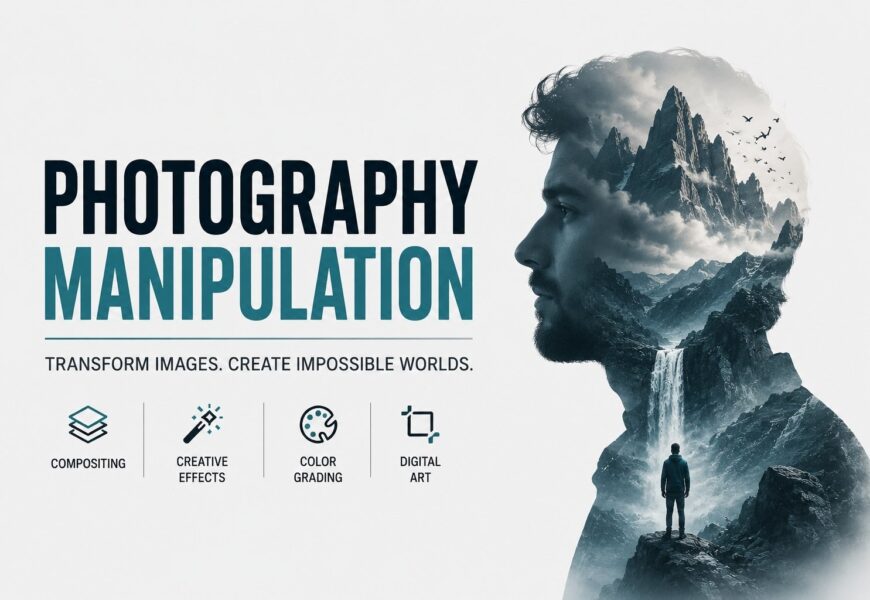
Photography has always been a powerful medium for capturing reality, but what if reality isn’t enough? What if you want to create something extraordinary, surreal, or entirely imaginative? This is where photography manipulation comes into play.
Photography manipulation is one of the most exciting forms of digital art, allowing photographers and designers to transform ordinary images into breathtaking visual masterpieces. From fantasy landscapes and cinematic posters to commercial advertisements and conceptual artwork, photography manipulation gives creators unlimited possibilities to express their imagination.
In today’s digital age, businesses, brands, content creators, and artists increasingly rely on photography manipulation to create eye-catching visuals that engage audiences and communicate powerful messages. Whether you’re a beginner exploring creative editing or a professional looking to refine your skills, understanding photography manipulation is essential for modern visual storytelling.
In this comprehensive guide, we’ll explore what photography manipulation is, its history, techniques, tools, applications, benefits, and how you can create compelling manipulated images that stand out.
What Is Photography Manipulation?
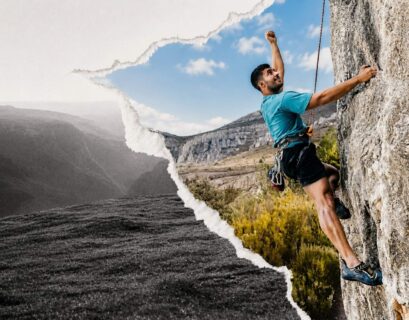
Photography manipulation is the process of altering, enhancing, combining, or transforming photographs to create a new visual composition. Unlike basic photo editing, which focuses on improving image quality, photography manipulation aims to create something that goes beyond reality.
This creative process often involves:
- Combining multiple photographs
- Replacing backgrounds
- Adding visual effects
- Adjusting lighting and shadows
- Creating fantasy environments
- Removing unwanted objects
- Incorporating digital painting techniques
The goal of photography manipulation is not merely to enhance an image but to tell a story, evoke emotions, or bring an imaginative concept to life.
For example, a photographer may combine a portrait, a mountain landscape, dramatic clouds, and digital effects to create an image that looks like a scene from a fantasy movie. This level of creativity is what makes photography manipulation such a powerful artistic medium.
The History of Photograph Manipulation
Many people assume that photograph manipulation began with Photoshop, but the practice actually dates back to the early days of photography.
In the 19th century, photographers experimented with multiple exposures, darkroom techniques, and hand-retouching methods to alter images. These early forms of photograph manipulation allowed artists to create composite photographs long before digital technology existed.
As photography evolved, so did manipulation techniques. The introduction of computers and image-editing software revolutionized the creative process. Programs like Adobe Photoshop gave artists unprecedented control over their images, making complex edits easier and more precise.
Today, photograph manipulation has become a standard practice in advertising, entertainment, publishing, and digital art.
Why Photography Manipulation Is More Popular Than Ever
The demand for unique visual content has grown significantly in recent years. Social media platforms, digital marketing campaigns, websites, and online advertisements all compete for audience attention.
Photography manipulation helps creators stand out because it offers:
Enhanced Creativity
Artists are no longer limited by what a camera can capture. They can create entirely new worlds and visual experiences.
Stronger Storytelling
Manipulated images often communicate emotions and ideas more effectively than traditional photographs.
Better Brand Visibility
Businesses use photography manipulation to create memorable marketing campaigns that leave lasting impressions.
Unlimited Visual Possibilities
From fantasy art to commercial advertising, creators can design virtually anything they imagine.
These advantages have made photography manipulation an essential skill in modern visual communication.
Essential Digital Manipulation Photo Techniques
A successful digital manipulation photo project relies on several advanced editing techniques. Understanding these methods is crucial for creating professional-quality work.
Compositing
Compositing involves combining multiple images into one final composition.
For example, a designer might use:
- A portrait photograph
- A separate sky image
- A mountain landscape
- Additional visual effects
By blending these elements seamlessly, the artist creates a completely new scene.
Background Replacement
Background replacement is one of the most common digital manipulation photo techniques.
This process involves removing the original background and replacing it with another environment that better supports the creative concept.
Examples include:
- Studio portraits placed in nature settings
- Products displayed in luxury environments
- Fantasy scenes created from ordinary photographs
Object Addition and Removal
Artists frequently add or remove objects to improve visual storytelling.
Common examples include:
- Removing distractions
- Adding animals or people
- Creating fictional structures
- Enhancing landscapes
This technique helps strengthen the overall composition.
Creative Lighting Effects
Lighting dramatically influences mood and realism.
Professional photography manipulation artists use:
- Light rays
- Glow effects
- Shadows
- Reflections
- Lens flares
These effects help unify image elements and create immersive visuals.
Digital Painting
Digital painting combines artistic illustration techniques with photography.
Artists often paint:
- Hair details
- Skin enhancements
- Atmospheric effects
- Fantasy elements
- Environmental textures
This technique allows for limitless creativity.
Understanding the Power of a Manipulated Photo Image
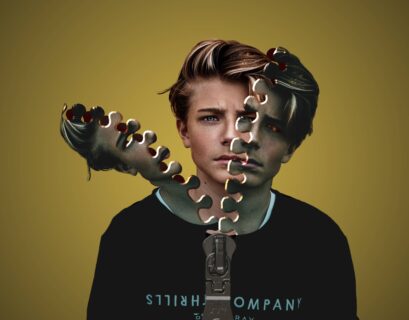
A manipulated photo image is much more than a modified photograph. It is a visual story crafted through creative vision and technical expertise.
The best manipulated photo image projects often make viewers question reality. They may depict impossible scenarios while still appearing believable.
Examples include:
- Floating cities
- Surreal portraits
- Fantasy landscapes
- Sci-fi environments
- Dreamlike compositions
The effectiveness of a manipulated photo image depends on careful blending, realistic lighting, and a strong creative concept.
Successful artists understand that technical perfection alone is not enough. Emotional impact and storytelling are equally important.
Manipulation Artwork: Where Photography Meets Imagination
One of the most exciting aspects of modern digital art is manipulation artwork.
Manipulation artwork combines photography, graphic design, illustration, and visual effects to create unique artistic compositions.
Unlike traditional photography, manipulation artwork allows creators to build entire worlds from scratch.
Popular categories include:
Fantasy Art
Fantasy manipulation artwork often features magical creatures, enchanted forests, and mythical environments.
Surreal Art
Surreal compositions challenge reality by presenting impossible scenes and unusual visual concepts.
Conceptual Art
Conceptual manipulation artwork communicates abstract ideas through symbolic imagery.
Commercial Artwork
Brands frequently use manipulation artwork in advertising campaigns to create memorable visuals.
This creative flexibility has made manipulation artwork one of the fastest-growing digital art forms worldwide.
Photography Photo Manipulation in Marketing and Advertising
Modern businesses rely heavily on photography photo manipulation to enhance their marketing efforts.
Consumers are exposed to thousands of advertisements daily. Creative visuals help brands capture attention and communicate messages quickly.
Photography photo manipulation is commonly used for:
- Product Advertising: Products can be placed in visually appealing environments without expensive photoshoots.
- Social Media Campaigns: Creative imagery improves engagement and increases content shares.
- Website Design: Manipulated visuals create stronger first impressions and improve user experience.
- Promotional Materials: Brochures, banners, and advertisements often use photography photo manipulation to enhance visual appeal.
Brands that invest in high-quality visual content often achieve stronger customer engagement and higher conversion rates.
Best Tools for Photography Manipulation
Creating professional photography manipulation projects requires the right tools.
- Adobe Photoshop: The industry standard for image manipulation and compositing.
- Adobe Lightroom: Useful for image preparation and color correction.
- Graphic Tablets: Provide precision for digital painting and retouching.
- AI-Powered Editing Tools: Modern AI software helps automate background removal, object selection, and image enhancement.
While software is important, creativity remains the most valuable tool in photography manipulation.
Common Challenges in Photography Manipulation
Although photography manipulation offers unlimited creative freedom, it also presents several challenges.
Matching Lighting
Images taken under different lighting conditions can appear unnatural when combined.
Maintaining Perspective
Incorrect perspective immediately reveals a manipulated image.
Realistic Shadows
Shadows help objects appear grounded within a scene.
Color Consistency
All image elements should share a cohesive color palette.
Professional artists spend considerable time refining these details to achieve realistic results.
Tips for Creating Professional Photography Manipulation Projects
If you’re new to photography manipulation, consider the following tips:
Start With a Clear Concept
Know the story or message you want to communicate before editing.
Use High-Resolution Images
Better source images produce higher-quality final results.
Focus on Storytelling
Every visual element should contribute to the overall narrative.
Learn Layer Management
Organized layers make complex projects easier to edit.
Practice Regularly
Photography manipulation is a skill that improves through consistent practice.
The Future of Photography Manipulation
Artificial intelligence and advanced software are changing the creative landscape. However, technology cannot replace artistic vision.
The future of photography manipulation will likely include:
- AI-assisted editing
- Faster workflows
- Enhanced realism
- Improved creative tools
- More immersive visual experiences
Despite these advancements, creativity, storytelling, and imagination will remain at the heart of successful photography manipulation.
Conclusion
Photography manipulation has revolutionized visual storytelling by allowing artists to transform ordinary photographs into extraordinary works of art. Whether you’re creating a digital manipulation photo, designing a compelling manipulated photo image, producing professional manipulation artwork, or developing commercial photography photo manipulation projects, the possibilities are virtually endless.
As technology continues to evolve, photography manipulation will become even more accessible and powerful. For photographers, designers, marketers, and artists, mastering photography manipulation is an investment in creativity, innovation, and visual communication.
The ability to blend imagination with technical skill is what makes photography manipulation one of the most influential and exciting art forms in the digital age.