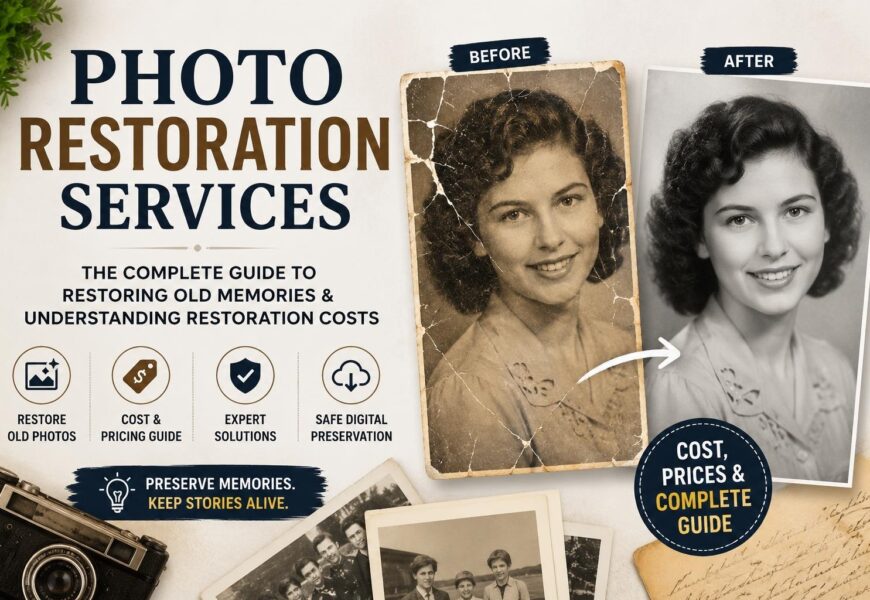
Old photographs are much more than pieces of paper—they are priceless memories that preserve family history, milestones, and moments that can never be recreated. Whether it’s your grandparents’ wedding portrait, a childhood photograph that’s been damaged over time, or an old family album affected by water, restoring these treasured images helps ensure they can be enjoyed for generations to come.
Unfortunately, photographs naturally deteriorate as they age. Exposure to sunlight, humidity, improper storage, mold, dust, fingerprints, and accidental damage can leave once-beautiful images faded, torn, stained, or even partially destroyed. While these problems may seem permanent, modern photo restoration services offer an effective way to digitally repair damaged photographs without altering the original print.
In this comprehensive guide, you’ll learn everything about photo restoration services, how the restoration process works, the different types of restoration available, what affects pricing, and how to choose the right professional for preserving your valuable memories.
What Are Photo Restoration Services?
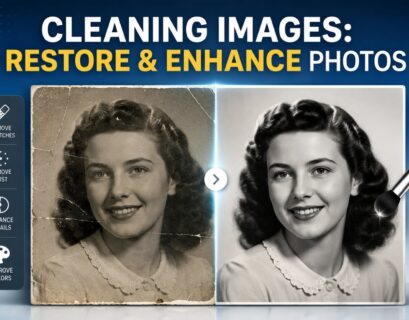
Photo restoration services involve digitally repairing damaged, faded, or deteriorated photographs using specialized image-editing techniques. Instead of physically altering the original print—which may cause further damage—experts first create a high-resolution digital copy and restore the image digitally.
The primary objective of restoration is not to make an old photograph look artificially new. Instead, the goal is to preserve its original appearance while removing damage caused by age or accidents. Professional restorers carefully repair imperfections without losing the character and authenticity of the original photograph.
Unlike basic photo editing, restoration requires patience, artistic skills, and technical expertise. Every scratch, crack, stain, fold mark, or missing section is repaired individually. In many cases, artists manually recreate facial features, clothing details, backgrounds, or damaged objects that no longer exist in the original image.
Professional photo restoration services can repair many types of damage, including:
- Torn photographs
- Scratches and crease marks
- Water damage
- Fire or smoke damage
- Mold stains
- Dust and dirt buildup
- Faded colors
- Yellow discoloration
- Missing corners
- Cracked photo surfaces
- Fold lines
- Chemical deterioration
- Silvering in black-and-white photographs
- Low-quality scans
- Blur and softness
Whether you’re restoring a single family portrait or an entire collection of historical photographs, professional restoration ensures that each image receives the attention it deserves.
Why Are Photo Restoration Services Important?
Photographs capture moments that cannot be recreated. As time passes, they become even more valuable because they preserve personal history, family traditions, and emotional connections between generations.
Many families have only one surviving copy of important photographs. If these images become severely damaged, the memories they represent could be lost forever.
Professional Photo restoration services help prevent that loss by digitally preserving photographs before they deteriorate beyond repair.
Some of the biggest reasons people invest in restoration include:
Preserving Family Heritage
Old photographs allow younger generations to see their ancestors, understand family history, and maintain emotional connections with relatives they may never have met.
Protecting Irreplaceable Memories
Birthdays, weddings, graduations, military service, vacations, and childhood moments often exist only in printed photographs. Digital restoration protects these memories from further deterioration.
Creating High-Quality Digital Archives
Once restored, photographs can be safely stored on computers, cloud storage, or external drives. This ensures multiple backup copies are available if the original print becomes damaged.
Preparing Photos for Printing
Many restored photographs are enlarged and reprinted as framed artwork or gifts for family members. Professional restoration ensures the image maintains excellent quality even when printed at larger sizes.
Restoring Historical Documents
Museums, libraries, historians, and researchers frequently use restoration services to preserve historical photographs, newspapers, and archival records for educational purposes.
Common Types of Photo Restoration Services
Every damaged photograph is unique, which means different restoration techniques are used depending on the condition of the image. Understanding these services can help you determine what type of restoration your photograph requires.
Scratch and Dust Removal
Over time, photographs collect scratches, dust particles, fingerprints, and small imperfections. These flaws may seem minor individually, but together they reduce image clarity and overall quality.
Professional restorers carefully remove these imperfections without affecting important image details.
This is one of the most common and affordable restoration services.
Tear and Crease Repair
Folded or torn photographs require much more detailed editing.
Instead of simply covering damaged areas, restoration artists reconstruct the missing textures, lines, and patterns so the repaired section blends naturally with the rest of the photograph.
Well-executed repairs become almost impossible to notice.
Color Restoration
Many old photographs lose their original vibrancy after years of exposure to sunlight and environmental conditions.
Professional color restoration includes:
- Restoring faded colors
- Correcting yellow discoloration
- Improving contrast
- Balancing highlights and shadows
- Restoring natural skin tones
- Enhancing overall image depth
The objective is to recreate realistic colors while respecting the original appearance of the photograph.
Black-and-White Restoration
Vintage black-and-white photographs often suffer from fading, silvering, scratches, and discoloration.
Professional restoration restores tonal balance while preserving the classic appearance of these timeless images.
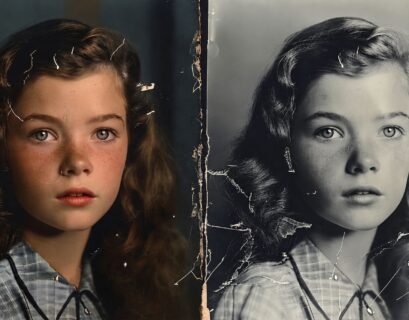
Photo Colorization
Colorization transforms black-and-white photographs into realistic color images.
Rather than applying random colors, skilled artists carefully research clothing styles, skin tones, landscapes, military uniforms, architecture, and historical references to produce believable results.
This service requires significant artistic expertise and is often considered an advanced restoration technique.
Water Damage Restoration
Water damage is one of the most difficult problems to repair because it often causes:
- Ink bleeding
- Surface stains
- Mold spots
- Wrinkling
- Missing image details
Professional restorers manually rebuild damaged sections while preserving as much original information as possible.
Fire and Smoke Damage Restoration
Fire can leave photographs burned, darkened, cracked, or partially destroyed.
Experienced restoration artists digitally reconstruct damaged areas using surrounding image information while maintaining consistency throughout the photograph.
Facial Reconstruction
Sometimes only a person’s face has been damaged.
Using advanced digital painting techniques, artists rebuild missing facial features based on surrounding details and reference images whenever available.
This is among the most specialized forms of photo restoration services.
How Professional Photo Restoration Services Work
Many people assume restoration simply involves applying a few filters, but professional restoration is a detailed multi-step process that combines technology with artistic skill.
Step 1: High-Resolution Scanning
The process begins by scanning the original photograph at a high resolution—typically 600 DPI or higher.
A high-quality scan captures fine details that are essential for accurate restoration.
Step 2: Damage Assessment
The restoration expert carefully examines the photograph to identify:
- Scratches
- Tears
- Missing sections
- Water stains
- Color fading
- Image softness
- Dust accumulation
- Overall structural damage
This assessment determines the time, techniques, and level of work required.
Step 3: Digital Restoration
Using professional editing software, each imperfection is repaired manually.
This stage may include:
- Rebuilding missing areas
- Removing scratches
- Correcting colors
- Improving contrast
- Repairing folds
- Cleaning stains
- Restoring facial details
- Reconstructing backgrounds
Every correction is performed carefully to maintain realism.
Step 4: Quality Review
Before final delivery, the restored image undergoes detailed quality checks.
Professionals examine every portion of the photograph at high magnification to ensure no editing artifacts remain visible.
Step 5: Final Delivery
Customers usually receive:
- High-resolution JPG files
- TIFF files (if requested)
- Print-ready versions
- Optimized digital copies for sharing online
Many providers also offer professional printing services for restored photographs.
Benefits of Choosing Professional Photo Restoration Services
Although AI-powered restoration apps have become increasingly popular, they cannot replace the expertise of experienced restoration artists.
Professional photo restoration services offer several advantages.
- Better Accuracy: Experts manually examine every damaged area instead of relying entirely on automated software. This results in more realistic repairs and natural-looking images.
- Higher Image Quality: Professional restoration produces significantly better detail, especially when photographs are enlarged for printing.
- Customized Restoration: Every image receives a personalized editing approach based on its specific condition rather than a one-size-fits-all filter.
- Safe Preservation: The original photograph remains untouched because all work is completed digitally. This eliminates the risk of accidental damage during restoration.
- Long-Term Digital Storage: After restoration, digital copies can be safely backed up on multiple devices and cloud storage, protecting your memories from future deterioration.
Photo Restoration Cost: What Determines the Final Price?

One of the biggest concerns people have before restoring an old photograph is the photo restoration cost. While many customers expect a standard price list, the reality is that restoration is a highly customized service. Every photograph has a unique history, different types of damage, and varying restoration requirements, which means pricing is usually determined after evaluating the image.
For example, restoring a photograph with a few dust spots and light fading requires considerably less work than reconstructing a century-old family portrait with torn edges, missing faces, severe discoloration, and water damage. Since professional restoration is often completed manually, the amount of editing time directly influences the overall cost.
When comparing providers, it’s important to understand that the lowest quote isn’t always the best value. Some companies rely heavily on automated AI tools, while experienced restoration artists spend hours carefully repairing every detail by hand. The difference in quality can be significant, especially when restoring irreplaceable family photographs.
Factors That Influence Photo Restoration Cost
Several elements determine the overall photo restoration cost, including:
- Condition of the Original Photograph: The more damaged the image, the longer it takes to restore. Professionals carefully assess scratches, tears, stains, missing portions, fading, discoloration, mold damage, and overall image quality before providing an estimate.
- Amount of Manual Editing: Professional restoration isn’t simply about removing imperfections. Artists often reconstruct damaged facial features, clothing, backgrounds, or decorative details pixel by pixel. This level of manual work naturally increases restoration time.
- Black & White vs. Color Photographs: Black-and-white images generally require tonal correction and damage repair, while color photographs may also need extensive color balancing, skin tone correction, and restoration of faded pigments.
- Image Resolution: Many customers want to enlarge restored photographs for framing or canvas printing. High-resolution restoration requires greater precision because even tiny imperfections become visible in large prints.
- Number of People in the Photograph: A portrait of one individual is much easier to restore than a large family group. Every face requires separate attention, making group photographs more time-consuming.
- Turnaround Time: Most restoration companies offer standard and expedited delivery options. Rush projects usually involve priority scheduling, which may increase the overall restoration price.
- Printing Requirements: Some providers also offer professional photo printing after restoration. Print size, paper quality, framing options, and shipping may influence the total project cost.
Photo Restoration Prices Explained
When researching online, you’ll find that photo restoration prices vary widely from one company to another. This is because restoration isn’t a mass-produced service—it’s a skilled creative process that depends on the condition of each photograph.
Instead of looking only at pricing, consider what is included in the service. Some providers offer only basic touch-ups, while others include detailed reconstruction, color correction, revisions, and print-ready files.
Below is a general overview of how restoration projects are commonly categorized.
| Restoration Level | Suitable For | Typical Editing Time |
| Basic Restoration | Dust removal, light scratches, minor fading | 30–90 minutes |
| Moderate Restoration | Creases, tears, stains, color correction | 2–5 hours |
| Advanced Restoration | Missing sections, facial reconstruction, severe damage | 6+ hours |
The actual photo restoration prices depend more on the amount of manual work involved than on the size of the photograph itself.
Picture Restoration Prices for Different Types of Damage
Many customers specifically search for picture restoration prices because they want to understand how different kinds of damage affect restoration complexity.
Let’s look at some common examples.
Light Surface Damage
Photographs with small scratches, dust spots, fingerprints, or mild fading are usually the quickest to restore. Since the original image details remain intact, editors mainly focus on cleaning and enhancing the photograph.
Torn or Folded Pictures
Repairing tears requires careful reconstruction so that repaired sections blend naturally with surrounding textures. Fold marks often affect facial features, clothing, and backgrounds, making restoration more detailed.
Water-Damaged Photographs
Water damage can cause ink bleeding, stains, wrinkles, and missing details. Every damaged section must be individually repaired, making these projects significantly more time-consuming.
Fire-Damaged Pictures
Heat and smoke may leave photographs burned, cracked, or partially destroyed. In many cases, restoration artists digitally recreate missing areas using surrounding visual information.
Faded Family Portraits
Old family albums frequently suffer from fading caused by sunlight and age. Restoring these images requires careful color balancing while maintaining a natural appearance.
Historical or Antique Photographs
Historic photographs often require museum-quality restoration techniques. These projects involve preserving original textures while carefully repairing age-related deterioration.
Because of their complexity, picture restoration prices for historical images are often higher than those for modern photographs.
DIY Restoration vs. Professional Photo Restoration Services
With the rise of AI-powered editing tools and mobile apps, many people wonder whether they should restore photographs themselves.
While DIY tools can improve lightly damaged images, they have limitations when dealing with valuable family photographs.
Professional Photo Restoration Services
Professional photo restoration services provide far greater accuracy because experienced artists manually restore every damaged area instead of relying entirely on automation.
Benefits include:
- Natural-looking results
- Manual facial reconstruction
- Professional color correction
- Museum-quality restoration
- High-resolution output
- Print-ready files
- Personalized editing
- Secure digital preservation
For photographs that hold sentimental or historical value, professional restoration is almost always the better long-term investment.
Tips to Save Money on Photo Restoration
Although restoration is a specialized service, there are several ways to reduce expenses without compromising quality.
Scan Photographs Correctly
A high-quality scan provides editors with more image data, reducing the amount of reconstruction required.
For most printed photographs, scanning at 600 DPI is recommended.
Restore Important Photos First
Instead of restoring an entire collection immediately, begin with the photographs that have the greatest sentimental or historical importance.
Ask About Bulk Discounts
Many companies provide reduced pricing when multiple photographs are restored together.
If you have an old family album, restoring several images at once can be more cost-effective than ordering individual restorations.
Avoid Low-Quality Mobile Photos
Whenever possible, provide scanned images instead of smartphone photographs. Better source images usually require less editing time and produce higher-quality results.
Final Thoughts
Old photographs preserve stories, emotions, and family history that deserve to be protected for future generations. Whether you’re restoring a treasured wedding portrait, a childhood photograph, or a historical family image, professional photo restoration services provide the expertise needed to repair damage while maintaining the authenticity of the original photograph.
Understanding digital photo restoration prices, photo restoration cost, photo restoration prices, and picture restoration prices helps you make an informed decision when choosing a restoration provider. While every project is different, pricing generally reflects the level of damage, the amount of manual work involved, and the quality of the final restoration.
Instead of choosing a service based solely on cost, look for experienced professionals who combine technical knowledge with artistic skill. A carefully restored photograph is more than just a repaired image—it is a preserved piece of family history that can be shared, printed, and treasured for generations to come.
By investing in reliable photo restoration services, you’re not simply restoring old pictures—you’re preserving memories, celebrating your family’s legacy, and ensuring that important moments continue to tell their story for years to come.
Simple projects may be completed within a day, while complex restorations involving severe damage can take several days depending on the level of manual editing required.
Yes. Even photographs with tears, fading, water damage, mold stains, or missing sections can often be restored digitally, although the final result depends on the amount of original image information available.
In most cases, yes. Digital restoration protects the original print from additional damage while creating a high-quality restored version that can be safely stored and reprinted.
Professional restoration creates high-resolution files that are ideal for printing, framing, and archival purposes.
Yes. Professional colorization artists manually apply realistic colors using historical references and advanced editing techniques.
Professional restoration focuses on preserving the original appearance rather than making the image look artificially edited.